

 中文
中文 日本語
日本語 EN
EN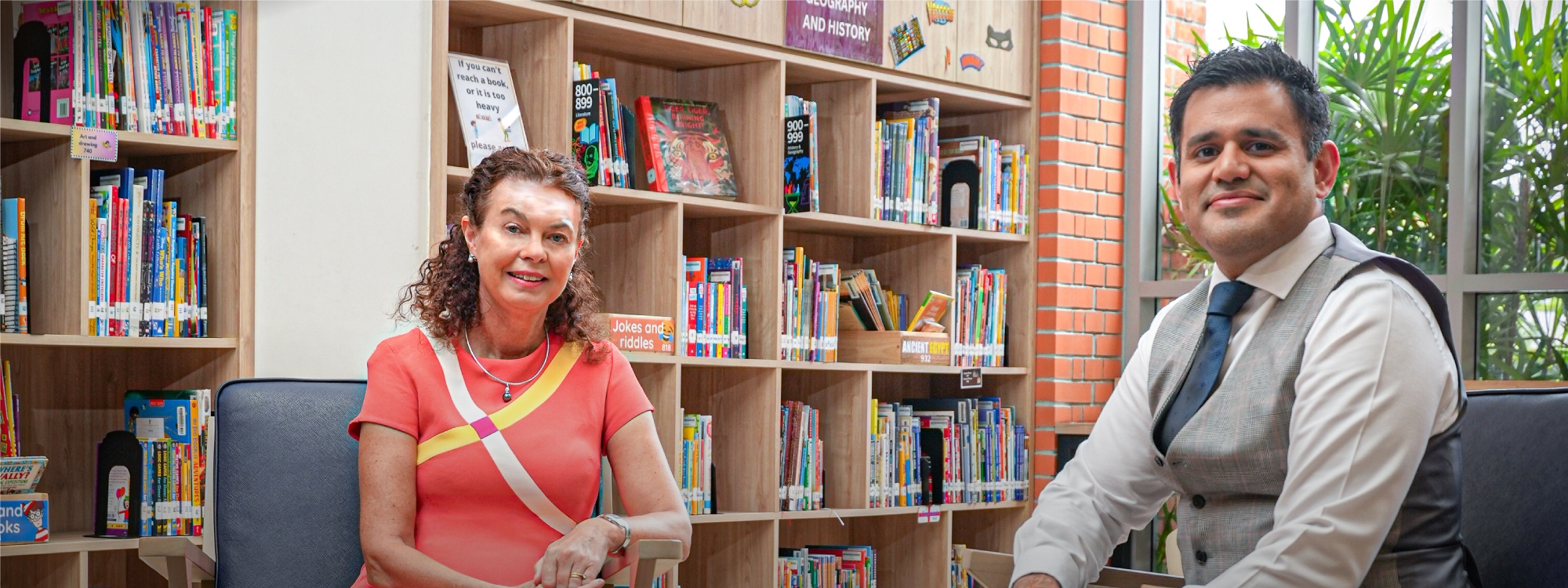
SAFE PLACE TO GROW – พื้นที่ปลอดภัย..เพื่อการเติบโต
Psychological safety, Nurturing community, and Confident growth without fear.
Featuring Helen Searle, Head of Primary School and Raj Ladva, Head of Early Years
ความอุ่นใจ ครอบครัวที่โอบอุ้ม และการเติบโตที่มั่นใจในทุกก้าว
ร่วมแบ่งปันโดยครูเฮเลน เซิร์ล Head of Primary School และครูรัช ลัดวา Head of Early Years
[โปรดติดตามภาษาไทยด้านล่าง]
This is Behind the Lesson, a content series from King’s College International School Bangkok that looks beyond academics into the values, systems, and people shaping a world-class education. In this episode, we explore how King’s Bangkok defines and delivers pastoral care: creating not just a great school, but a safe place to grow.
What is ‘Pastoral Care’
At King’s Bangkok, pastoral care begins long before a child walks into the classroom; it’s a whole-school commitment to knowing each child deeply, not just as a learner, but as a person.
“I think pastoral care is making sure children are comfortable and feeling safe and feeling as if they belong in their environment,” Helen explains.
“In Early Years, good-quality pastoral care is essentially about ensuring the safety and well-being of the students even before they come to school,” Raj explains. “Before parents even register, they can attend playgroups, visit the campus, or meet with us multiple times. We get to know their families really well—five, six, even seven visits—so we understand the child, and they feel familiarity with our setting before they start.”
Helen reinforces the importance of understanding family context. “It’s knowing the children themselves, but also knowing their families. That’s how we’re able to notice if there’s something not quite right. If a child is a bit unhappy one day, we’ll notice and we’ll act upon it.”
It’s this proactive attentiveness that builds a truly caring environment. “I think it’s genuinely caring about every single child,” Helen says. “Real, real genuine care, not superficial care.”
Definition of “Safety” at King’s Bangkok and Why It Matters
At King’s Bangkok, safety is about creating a community where everyone — children, parents, and staff — feels emotionally safe and supported.
“Children obviously have to be physically safe,” Helen explains, “but feeling psychological safety is really, really important. That comes through pastoral care and all the support systems we have in place.”
And it goes beyond students. “If our parents and staff don’t feel psychologically safe, it’s very difficult for it to come down to the children,” she adds. “You’ve got to have a whole community feeling safe, feeling as if they belong, and trust each other.”
Raj sees it in everyday moments. “It’s in the way teachers look at the children, the tone they speak in, the respect with which they listen,” he says. “That’s a different kind of safety.”
“The little stories they come to tell you,” Helen adds. “And how their thoughts and ideas are valued,” Raj continues. “That kind of safety is nurtured — and it takes the right people.”
From teachers to cleaners, everyone plays a part. “Our whole community is trying hard to live those values,” Raj says. “And that’s becoming more visible as the school grows.”
How To Balance Being Happy and Being Safe at School?
It’s easy to assume that safety means structure and happiness means freedom, but at King’s, the two are interwoven. “We focus a lot on wellbeing, and part of that is making sure the school is a happy place,” Helen says. “That might be in a quiet conversation, or a joyful play session, or celebrating a student’s achievement. Children need those moments.”
Raj adds, “You can’t have freedom without boundaries. Children feel safe when they know the expectations, when the routines are clear, when they know they are being guided.”
Helen agrees, “It’s not about making school fun all the time. It’s about making it meaningful so children feel like they’re learning, and that learning feels good.”
“I think every parent wants their child to be happy,” she adds. “And I think we’ve got a duty to make every single child happy in school. But not to the point of wrapping them so tightly in cotton wool that they don’t build resilience, it’s getting a balance between care and resilience.”
How Does Playing Help with Learning in The Lens of Pastoral Care?
“Playing is learning,” says Helen.
“What is more understood now than ever before is the role that play has in brain development for young children,” Raj adds. “At school, there are risks to [children’s] optimum brain development, if we are not providing enough opportunity for unstructured child-initiated learning and play.”
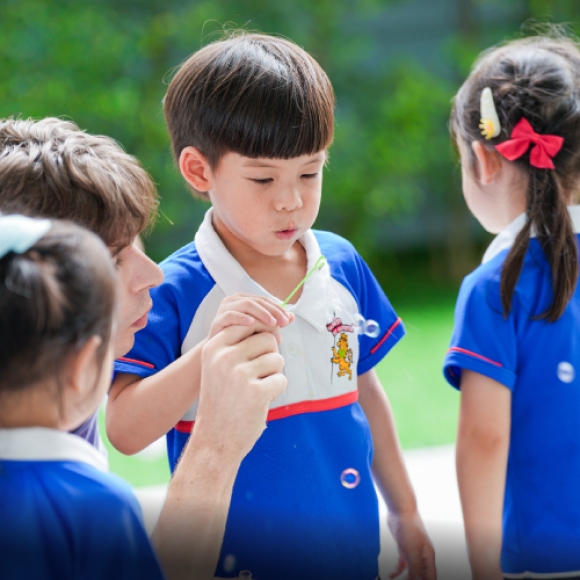
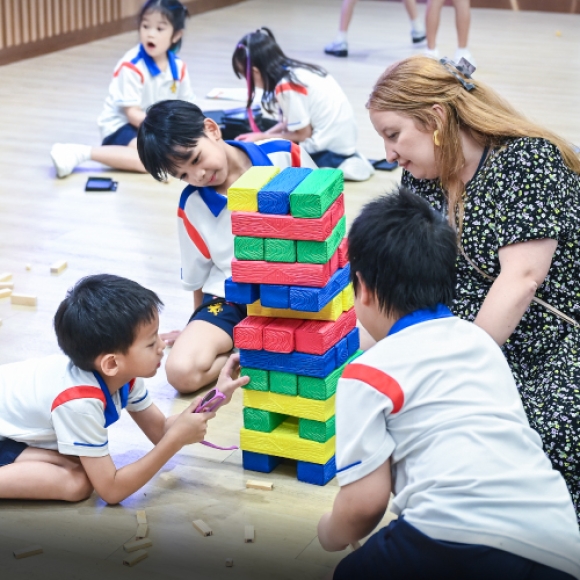
These moments of exploration, collaboration, and shared joy happen daily — whether it’s growing their own food, role-playing with friends, or cutting cherry tomatoes into tiny pieces with plastic knives.
“It’s also not just ‘go and play.’ The time and planning that goes into playful learning is as long as planning a geography lesson,” Helen explains. “You can’t teach children skills like communication, problem solving, persistence, and motivation in any other way than through play.”
Even academic progress is rooted in play. “Children now are writing books, telling stories, applying their phonics and maths concepts — but it’s happening in their play,” says Raj. “Because it’s playful, they’re more invested, and they learn faster.”
The value of play extends well beyond the Early Years. “As adults, we like to play. So should children,” Helen says. “In Year Six, they still love dressing up and role-playing. It may be more advanced, but it’s still a play.”
How Does Pastoral Care Evolve, While Keeping Belonging at the Centre?
Pastoral care at King’s Bangkok doesn’t start in Year One. It begins the moment a child walks through the doors of pre-nursery — and it’s carefully nurtured at every stage as they grow.
Raj explains how it all begins with strong, secure relationships in the Early Years. “We start with such small classes in pre-nursery, just 15 children, and 4 adults. It allows those really secure attachments for children to feel safe with their key person in school.”
And when it comes time to move into Year One, the school ensures the journey continues with consistency and care. “We meet regularly every day with the primary team,” Raj explains, “not only pastorally, but academically; from the curriculum to data, to reporting, safeguarding, everything. Every element of the school is joined up.”
This joined-up approach ensures that Year One teachers are equipped with a complete picture — not just grades, but personalities, progress, and pastoral needs — allowing each child’s new chapter to begin on a positive and familiar note.
Helen shares a similar perspective. “I’m just looking out of my window now, and I can see a little girl who is receiving some pastoral care,” she says. “She’s obviously had something that’s upset her, and one of the teachers has taken her to the side to help her calm down.”
These moments may be small, but they happen all the time — quietly and naturally. “It just happens without you even noticing that it’s pastoral care,” Helen adds, “because it’s so embedded in what we’re doing.”
Even as children move through Key Stage One and beyond, the philosophy remains the same: relationships come first. The result is a school environment where pastoral care isn’t a separate intervention — it’s a daily practice, grounded in connection, carried out with kindness, and always centred on the child’s sense of belonging.
How Does Pastoral Care Affect When Children Move on to the Next Key Stage?
Transitions between key stages, whether moving through Junior or Senior School, can bring anxiety. That’s why King’s makes them moments surrounded by care, not fear.
“We plan transitions very carefully,” Helen says. “Our teachers communicate between year groups. We talk about what each child needs before they move up. It’s not just academic readiness, it’s emotional readiness.”
Raj agrees. “We involve students in the transition. We hold one-on-one conversations, meet parents, and build connections early,” he says. “Because if a student feels supported, they will embrace change instead of worrying about it.”
Ultimately, these moments help students gain confidence. “We want our students to walk into their next stage with excitement, not anxiety,” Helen says. “That’s the sign of a school that truly cares.”
How Does Pastoral Care Impact Life After School?
Pastoral care at King’s doesn’t end at the school gates - it stays with students long after they’ve taken their final exams. The values nurtured in the classroom become the foundation of their adult lives.
“When students leave, they take with them a toolkit for life,” says Raj. “They’ve learned how to reflect, manage pressure, speak kindly, and support others. These are skills that serve them long after exams are over.”
That preparation includes learning to navigate relationships independently. “We run programmes like Girls on Board, which help girls understand and manage their friendships,” Helen explains. “They’re given strategies to handle challenges on their own because in the workplace, no one’s going to hold your hand. But we’re still here, quietly behind them, in case things go wrong.”
Helen adds, “The most important thing we can give them is a sense of who they are. If they leave feeling confident, kind, and connected to others, then we’ve done our job.”
From Pastoral Care to A Community of Kindness
At King’s Bangkok, pastoral care doesn’t only happen when problems arise, it lives quietly in everyday life. For Raj, it’s not something you turn on or off. “Pastoral is just hidden in everything we do,” he says. “It’s not conscious really, is it, pastoral care? It’s just about being a good person. And actually, if everyone is striving towards that, then it permeates.”
This quiet support creates lasting relationships, ones that often extend beyond the classroom. “You get that quality of relationship where you can talk to a parent I might not see every day, because their child’s in Year 3 now. But they’ll say, ‘Oh, Mr. Raj, nice to see you. How are you? How’s your daughter?’ Having those kinds of conversations, that’s what builds community and a sense of belonging.”
Helen has seen that same spirit reflected in small but powerful moments. “Because we’ve got that sort of culture within school, the parents really do reach out,” she recounts how, “I hurt my foot—and the number of parents that went out of their way to ask me, and even though it’s nearly better now, they’re still asking, ‘How’s your foot?’”
To Helen, that simple kindness speaks volumes. “It just gives you that sense of belonging and that sense of community. That’s just an example of a really caring community.”
And that’s what pastoral care at King’s truly builds: a community of great heart.


นี่คือ Behind the Lesson ซีรี่ส์คอนเทนต์จากคิงส์คอลเลจกรุงเทพ ที่จะพาคุณเจาะลึกไปกว่าแค่เรื่องวิชาการ ตั้งแต่คุณค่าร่วมที่เรายึดถือ แนวคิด และบุคลากรเบื้องหลังที่ร่วมกันสร้างสรรค์การศึกษาที่ดีมีคุณภาพ ในตอนนี้เราจะมาดูกันว่านิยามของการดูแลแบบ Pastoral Care หรือ การดูแลเอาใจใส่นักเรียนอย่างรอบด้านในทุกมิติ ที่คิงส์คอลเลจกรุงเทพ ที่ไม่ใช่เพียงแค่การสร้างโรงเรียนที่ดี แต่เป็นการสร้าง “พื้นที่ปลอดภัยสำหรับการเติบโต” ของเด็ก ๆ อย่างแท้จริงเป็นอย่างไร
อะไรคือความหมายของ 'Pastoral Care' ที่แตกต่าง
ที่คิงส์คอลเลจกรุงเทพ การดูแลเอาใจใส่นักเรียนอย่างใกล้ชิด เริ่มต้นตั้งแต่ก่อนที่เด็กจะก้าวเข้าสู่ห้องเรียน เป็นความตั้งใจร่วมกันของโรงเรียนที่จะรู้จักเด็กแต่ละคนให้ลึกซึ้ง ไม่ใช่เพียงในฐานะผู้เรียน แต่ในฐานะ “ตัวตนของเขา”
“สำหรับฉัน Pastoral Care คือการดูแลให้เด็ก ๆ รู้สึกสบายใจ ปลอดภัย และเป็นตัวของตัวเองได้ในที่แห่งนี้” ครูเฮเลนกล่าว
ครูรัชเสริมว่า “ในช่วง Early Years ก่อนเริ่มชั้น Primary School การดูแลที่มีคุณภาพคือการดูแลให้เด็ก ๆ รู้สึกอุ่นใจและมีความเป็นอยู่ที่ดีตั้งแต่ก่อนที่พวกเขาจะเริ่มมาโรงเรียน ก่อนที่ผู้ปกครองจะสมัครเรียน เด็ก ๆ สามารถมาเข้าร่วมกิจกรรมกลุ่ม มาเยี่ยมชมโรงเรียน หรือพบกับเราได้ เพื่อจะได้รู้จักครอบครัวของเขาอย่างลึกซึ้ง บางครอบครัวมาพบเราถึง 5, 6 หรือ 7 ครั้ง เพื่อให้เราเข้าใจเด็กอย่างแท้จริง และให้เด็กเองได้คุ้นเคยกับโรงเรียนก่อนเริ่มเรียนจริง”
ครูเฮเลนย้ำถึงความสำคัญของการเข้าใจบริบทครอบครัวว่า “เราไม่ใช่แค่รู้จักตัวเด็ก แต่ต้องรู้จักและเข้าใจครอบครัวของเขาด้วย สิ่งนี้ทำให้เราสามารถสังเกตได้ทันทีหากมีบางอย่างผิดปกติ ถ้าวันหนึ่งเด็กดูไม่ค่อยมีความสุข เราจะเห็นความเปลี่ยนแปลงนั้น และลงมือช่วยได้ทันที”
นี่คือการดูแลเอาใจใส่ที่ช่วยสร้างสภาพแวดล้อมแห่งความห่วงใย “ฉันคิดว่ามันคือการใส่ใจเด็กทุกคนจริง ๆ” ครูเฮเลนกล่าว “เป็นการใส่ใจอย่างแท้จริง ไม่ใช่เพียงผิวเผิน”
นิยามและความสำคัญของ "พื้นที่ที่มั่นใจได้" ที่คิงส์คอลเลจกรุงเทพ
ที่คิงส์คอลเลจกรุงเทพ “พื้นที่ที่มั่นใจได้” หมายถึงการสร้างบรรยากาศแบบครอบครัว ที่ทุกคน ทั้งเด็ก ผู้ปกครอง และบุคลากร รู้สึกอุ่นใจและได้รับการสนับสนุนอยู่เสมอ
“แน่นอนว่าเด็ก ๆ ต้องได้รับการดูแลทางร่างกาย” ครูเฮเลนอธิบาย “แต่ความอุ่นใจทางจิตใจก็สำคัญไม่แพ้กัน สิ่งนี้เกิดขึ้นได้จากการเอาใจใส่นักเรียนอย่างใกล้ชิด พร้อมกับระบบสนับสนุนที่โรงเรียนจัดเตรียมไว้อย่างครบถ้วน”
และไม่ใช่เฉพาะนักเรียนเท่านั้น “ถ้าผู้ปกครองและบุคลากรของเราไม่รู้สึกอุ่นใจหรือมั่นใจทางจิตใจ ก็จะส่งต่อความรู้สึกนั้นไปยังเด็ก ๆ ได้ เราต้องสร้างครอบครัวที่ทุกคนรู้สึกเป็นส่วนหนึ่ง เชื่อใจซึ่งกันและกัน และได้รับการสนับสนุนอย่างแท้จริง”
ครูรัชเห็นสิ่งนี้สะท้อนอยู่ในทุก ๆ วันของการทำงาน “มันอยู่ในสายตาที่ครูมองเด็ก ๆ อยู่ในน้ำเสียงที่ครูใช้ และอยู่ในการรับฟังด้วยความเคารพ นั่นแหละคือความอุ่นใจในอีกรูปแบบหนึ่ง”
ครูเฮเลนเสริมว่า “มันแฝงอยู่ในเรื่องเล็ก ๆ ที่เด็ก ๆ มาเล่าให้ฟัง” และครูรัชต่อว่า “รวมถึงการที่ความคิดและไอเดียของเด็กได้รับการยอมรับ พื้นที่ที่มั่นใจได้ในความหมายนี้ต้องถูกปลูกฝัง และต้องเกิดจากคนที่เหมาะสม”
ตั้งแต่ครูจนถึงบุคลากร ทุกคนคือส่วนสำคัญ “ทั้งครอบครัวคิงส์คอลเลจกรุงเทพของเราต่างพยายามใช้ชีวิตตามคุณค่าเหล่านี้ และยิ่งเห็นชัดขึ้นเรื่อย ๆ เมื่อโรงเรียนเติบโต” ครูรัชกล่าว
เราสามารถสร้างสมดุลระหว่างการมีความสุขและสร้างพื้นที่ที่มั่นใจได้ที่โรงเรียนได้อย่างไร?
หลายคนอาจคิดว่า ความปลอดภัย หมายถึงกฏระเบียบที่เข้มงวด ส่วนความสุขคืออิสระที่ไร้ขอบเขต แต่ที่คิงส์คอลเลจกรุงเทพ เราเชื่อว่าสองสิ่งนี้สามารถอยู่ร่วมกันได้อย่างกลมกลืน
“เรามุ่งเน้นความเป็นอยู่ที่ดีของเด็ก ๆ และนั่นรวมถึงการทำให้โรงเรียนเป็นสถานที่แห่งความสุข” ครูเฮเลนกล่าว “ความสุขอาจเกิดขึ้นจากบทสนทนาเล็ก ๆ การเล่นสนุก หรือในโมเมนต์ของการเฉลิมฉลองความสำเร็จ เด็ก ๆ ต่างต้องการช่วงเวลาเช่นนี้”
ครูรัชเสริมว่า “อิสระเกิดขึ้นไม่ได้หากไม่มีขอบเขต เด็กจะรู้สึกอุ่นใจเมื่อพวกเขารู้ว่าความคาดหวังคืออะไร กิจวัตรคืออะไร และมีใครคอยดูแลแนะนำ”
ครูเฮเลนเสริมต่อ “ไม่ได้หมายถึงการทำให้โรงเรียนสนุกอยู่ตลอดเวลา แต่คือการทำให้การเรียนรู้มีความหมาย และทำให้เด็ก ๆ รู้สึกดีกับการเรียนรู้”
เธอสรุปว่า “ฉันคิดว่าผู้ปกครองทุกคนล้วนอยากให้ลูกมีความสุข หน้าที่ของเราคือการทำให้เด็ก ๆ รู้สึกมีความสุขเมื่อมาโรงเรียน แต่ไม่ใช่ถึงขั้นที่ปกป้องจนมากเกินไป เพราะเด็ก ๆ จะไม่สามารถสร้างความยืดหยุ่นในชีวิตได้ สิ่งสำคัญคือการหาสมดุลระหว่าง ‘การดูแล’ และ ‘การสร้างความเข้มแข็ง’ จากภายในให้กับพวกเขา”
ในมุมมองของการดูแลแบบ Pastoral Care การเล่นมีผลต่อการเรียนรู้อย่างไร?
“การเล่นคือการเรียนรู้” ครูเฮเลนกล่าวอย่างมั่นใจ
ครูรัชเสริมว่า “ทุกวันนี้เรารู้ชัดเจนกว่าที่เคยว่า ‘การเล่น’ มีบทบาทสำคัญต่อพัฒนาการสมองของเด็กเล็กแค่ไหน หากโรงเรียนไม่สร้างโอกาสให้เด็กได้เรียนรู้และเล่นอย่างอิสระด้วยตนเอง ก็เท่ากับเรากำลังพลาดช่วงเวลาที่สมองของพวกเขาพร้อมจะพัฒนาได้ดีที่สุด”
ช่วงเวลาแห่งการสำรวจ ร่วมมือ และแบ่งปันความสุขเกิดขึ้นทุกวัน — ไม่ว่าจะเป็นการปลูกผักกินเอง เล่นสมมติเป็นตัวละคร หรือการหั่นมะเขือเทศเชอรี่เป็นชิ้นเล็ก ๆ ด้วยมีดพลาสติก
ครูเฮเลนอธิบายว่า “มันไม่ใช่แค่บอกว่า ‘ไปเล่นเถอะ’ แต่การวางแผนกิจกรรมเพื่อการเรียนรู้ผ่านการเล่นนั้น ใช้เวลาไม่น้อยไปกว่าการวางแผนสอนวิชาภูมิศาสตร์เลย เพราะคุณไม่สามารถสอนทักษะอย่างการสื่อสาร การแก้ปัญหา ความพยายาม และแรงจูงใจ ได้ด้วยวิธีอื่นนอกจากผ่านการเล่น”
แม้แต่ความก้าวหน้าทางวิชาการก็มีรากฐานมาจากการเล่น “ตอนนี้เด็ก ๆ เขียนหนังสือ เล่าเรื่องราว ฝึกสะกดคำ และเรียนรู้แนวคิดทางคณิตศาสตร์ ทั้งหมดเกิดขึ้นในระหว่างที่พวกเขาเล่น” ครูรัชกล่าว “เพราะมันสนุก เด็กจึงทุ่มเทมากกว่า และเรียนรู้ได้เร็วกว่า”
คุณค่าของการเล่นยังไม่หยุดเพียงแค่วัยเด็กเล็ก “แม้แต่ผู้ใหญ่เราก็ยังชอบเล่น แล้วเด็ก ๆ จะไม่ชอบได้อย่างไร” ครูเฮเลนเสริม “ใน Year 6 เด็ก ๆ ก็ยังคงชอบแต่งตัวและเล่นบทบาทสมมติ แม้มันจะซับซ้อนขึ้น แต่แม้จริงก็ยังเป็น ‘การเล่น’ อยู่ดี”
ทำอย่างไรให้การดูแล Pastoral Care ตามช่วงวัย ยังคงยึดการมีส่วนร่วมของผู้เรียนเป็นศูนย์กลางเช่นเดิม
ที่คิงส์คอลเลจกรุงเทพ การดูแลแบบ Pastoral Care ไม่ได้เริ่มต้นเมื่อเด็กเข้าสู่ Year 1 แต่เกิดขึ้นตั้งแต่ที่พวกเขาเดินเข้ามาในห้องเรียน Pre-nursery และค่อย ๆ เติบโตไปพร้อมกับการดูแลอย่างต่อเนื่องในทุกช่วงวัย
ครูรัชอธิบายว่า ทุกอย่างเริ่มจาก “ความสัมพันธ์ที่มั่นคงและอบอุ่น” ระดับชั้น Early Years “ใน Pre-nursery เรามีเพียง 15 คนต่อห้อง พร้อมผู้ใหญ่ดูแลถึง 4 คน สิ่งนี้ช่วยสร้างสายสัมพันธ์อันแน่นแฟ้น ให้เด็ก ๆ รู้สึกปลอดภัยและไว้ใจกับ key person ในโรงเรียนของพวกเขา”
เมื่อเด็กเตรียมก้าวสู่ Year 1 โรงเรียนก็เตรียมความพร้อมให้การเปลี่ยนผ่านนี้เต็มไปด้วยความราบรื่น ต่อเนื่องและเอาใจใส่ “เราประชุมร่วมกับทีม Primary ทุกวัน ทั้งด้านการดูแลและวิชาการ ตั้งแต่หลักสูตร ผลการเรียน ไปจนการดูแลด้านอารมณ์และความปลอดภัย ทุกอย่างเชื่อมโยงถึงกันหมด” ครูรัชเล่า
แนวทางที่เป็นระบบนี้ทำให้ครู Year 1 ไม่ได้รับเพียงข้อมูลด้านคะแนนเท่านั้น แต่ยังรู้จักบุคลิก ความก้าวหน้า และความต้องการเฉพาะของเด็กแต่ละคน เพื่อให้พวกเขาเริ่มต้นบทใหม่ด้วยความเข้าใจและความมั่นใจ
ครูเฮเลนเสริมด้วยภาพที่เธอเห็นขณะสัมภาษณ์ “อย่างตอนนี้ ฉันกำลังมองออกไป เห็นครูกำลังคุยกับเด็กหญิงคนหนึ่งอยู่เพื่อช่วยให้เธอคลายกังวลจากความไม่สบายใจ นี่คือการดูแลเล็ก ๆ น้อย ๆ ที่เกิดขึ้นในทุก ๆ วัน จนเราแทบไม่รู้ว่านี่ก็คือ Pastoral Care เพราะมันฝังอยู่ในทุกสิ่งที่เราทำแล้ว”
เพราะแท้จริงแล้ว Pastoral Care ไม่ใช่โครงการพิเศษ แต่คือสิ่งที่เกิดขึ้นในชีวิตประจำวันในรั้วโรงเรียนของเราอยู่เสมอ ไม่ว่าเด็ก ๆ จะเติบโตไปสู่ระดับชั้นใด แต่หัวใจหลักก็ยังเหมือนเดิม — ความสัมพันธ์มาก่อนเสมอ ผลลัพธ์จึงเป็นโรงเรียนที่อบอุ่น เอาใจใส่ในทุกมิติ และทำให้เด็กทุกคนรู้สึกว่าตนเองมีคุณค่าและเป็นส่วนหนึ่งของครอบครัว
การดูแลแบบ Pastoral Care ส่งผลอย่างไรเมื่อเด็กเติบโตขึ้น?
การเปลี่ยนผ่านแต่ละช่วงวัย ไม่ว่าจะขึ้นสู่ Primary School หรือ Senior School มักมาพร้อมความกังวล นี่คือเหตุผลที่คิงส์คอลเลจกรุงเทพทำให้มันเป็น “ช่วงเวลาแห่งการดูแล” แทนที่จะเป็นช่วงเวลาแห่งความกังวลใจ
“เราออกแบบช่วงเปลี่ยนผ่านเหล่านี้อย่างพิถีพิถัน” ครูเฮเลนกล่าว “ครูของเราสื่อสารกันระหว่างชั้น เพื่อพูดคุยถึงความต้องการเฉพาะของเด็กแต่ละคนก่อนเลื่อนชั้น มันไม่ใช่เพียงเรื่องความพร้อมทางวิชาการ แต่รวมถึงความพร้อมทางอารมณ์ด้วย”
ครูรัชเสริมว่า “เราให้นักเรียนมีส่วนร่วมในช่วงเปลี่ยนผ่านนี้ เราจัดการพูดคุยแบบตัวต่อตัว พบปะผู้ปกครอง และสร้างความสัมพันธ์ล่วงหน้า เพราะเมื่อเด็ก ๆ รู้สึกว่ามีคนคอยสนับสนุนพวกเขาอยู่ข้าง ๆ พวกเขาจะเปิดใจรับการเปลี่ยนแปลง แทนที่จะกังวลกับมัน”
ท้ายที่สุด ผลลัพธ์คือความมั่นใจที่ชัดเจนขึ้น “เราต้องการให้นักเรียนของเราเดินเข้าสู่ทุกการเปลี่ยนผ่านด้วยความตื่นเต้น” ครูเฮเลนกล่าว “นั่นคือสัญญาณของโรงเรียนที่ใส่ใจจริง ๆ”
การดูแล Pastoral Care ส่งผลอย่างไรกับชีวิตหลังเรียนจบของนักเรียน?
ที่คิงส์คอลเลจกรุงเทพ การดูแลแบบ Pastoral Care ไม่ได้หยุดอยู่แค่ภายในโรงเรียน แต่ยังติดตัวเด็ก ๆ ไปอีกยาวนาน หลังจากที่พวกเขาสอบครั้งสุดท้าย คุณค่าที่ได้รับการปลูกฝังในห้องเรียน กลายเป็นรากฐานสำคัญของชีวิตผู้ใหญ่
“เมื่อเด็ก ๆ ออกจากโรงเรียน พวกเขาจะมี ‘เครื่องมือ’ ติดตัวไปตลอดชีวิต” ครูรัชกล่าว “พวกเขาเรียนรู้ที่จะแสดงตัวตน จัดการความกดดัน พูดด้วยความเมตตา และสนับสนุนผู้อื่น ทักษะเหล่านี้จะอยู่กับพวกเขา และนำไปใช้ได้ตลอดชีวิต”
ครูเฮเลนเสริมว่า “เรามีโปรแกรมอย่าง Girls on Board ที่ช่วยให้เด็กผู้หญิงเข้าใจและจัดการความสัมพันธ์กับเพื่อน ๆ ได้ พวกเขาจะได้เรียนรู้วิธีในการรับมือด้วยตัวเอง เพราะในโลกการทำงานจริงจะไม่มีใครคอยประคองอยู่ตลอดเวลา แต่เราก็ยังเป็นเหมือนแรงสนับสนุนที่อยู่เบื้องหลังเงียบ ๆ หากพวกเขาต้องการ”
เธอสรุปทิ้งท้ายว่า “สิ่งสำคัญที่เรามอบให้คือความเข้าใจในตัวตนของพวกเขาเอง หากวันหนึ่งพวกเขาก้าวออกไปพร้อมความมั่นใจ ความเมตตา และการเชื่อมโยงกับผู้อื่น นั่นแปลว่าเราประสบความสำเร็จในหน้าที่แล้ว”
จากการดูแลเอาใจใส่อย่างใกล้ชิด สู่ครอบครัวแห่งความเอื้อเฟื้อ
ที่คิงส์คอลเลจกรุงเทพ การดูแลแบบ Pastoral Care ไม่ได้เกิดขึ้นเฉพาะเวลาที่มีปัญหา แต่มันมีชีวิตอยู่ในทุก ๆ วัน สำหรับครูรัช นี่ไม่ใช่สิ่งที่ “เปิดหรือปิด” ได้ “Pastoral Care ซ่อนอยู่ในทุกสิ่งที่เราทำ มันไม่ใช่เรื่องที่ต้องตั้งใจเลยด้วยซ้ำ แต่มันคือการเป็นคนที่ดี และถ้าทุกคนพยายามไปในทิศทางนั้น มันก็จะแทรกซึมไปทั่ว”
การดูแลอย่างเงียบ ๆ นี้ได้สร้าง ความสัมพันธ์ที่ยั่งยืน ซึ่งมักต่อยอดไปไกลกว่าห้องเรียน “คุณจะได้คุณภาพความสัมพันธ์แบบที่สามารถพูดคุยกับผู้ปกครองที่เราไม่ได้เจอทุกวันได้ เพราะตอนนี้ลูกของพวกเขาอยู่ Year 3 แล้ว แต่พวกเขาก็จะทักว่า ‘โอ้ว ครูรัช ดีใจที่ได้เจอ สบายดีไหม ลูกสาวคุณเป็นยังไงบ้าง’ การมีบทสนทนาแบบนี้แหละ ที่ช่วยสร้างชุมชนและความรู้สึกเป็นส่วนหนึ่งของโรงเรียน”
ครูเฮเลนเองก็เห็นจิตวิญญาณเดียวกันในรายละเอียดเล็ก ๆ ที่ทรงพลัง “เพราะเรามีวัฒนธรรมแบบนี้ในโรงเรียน ผู้ปกครองจึงเข้ามามีส่วนร่วมจริง ๆ” เธอเล่า “ฉันเคยเจ็บเท้า และมีผู้ปกครองจำนวนมากที่แวะมาถามสารทุกข์สุกดิบ แม้ตอนนี้จะเกือบหายแล้ว พวกเขาก็ยังคงถามอยู่เสมอว่า ‘เท้าเป็นยังไงบ้าง’”
สำหรับครูเฮเลน ความใจดีเรียบง่ายเหล่านี้มีความหมายลึกซึ้ง “มันทำให้คุณรู้สึกถึงการเป็นส่วนหนึ่งและความเป็นครอบครัวที่แท้จริง นี่แหละคือตัวอย่างของครอบครัวที่ห่วงใยกันจริง ๆ”
และนี่คือสิ่งที่ Pastoral Care ที่คิงส์คอลเลจกรุงเทพ สร้างขึ้น นั่นคือการเป็นครอบครัวของเหล่าหัวใจที่ยิ่งใหญ่และงดงาม
#WisdomTakesYouFurther #KingsBangkok #FulfillingGreatDreamswithGreatHearts #KingsCollege #AGreatHeartTakesYouFurther #PastoralCare #BehindTheLesson #SafePlaceToGrow