The British Education System in Thailand: A Parent’s Guide to King’s Bangkok
November 25, 2026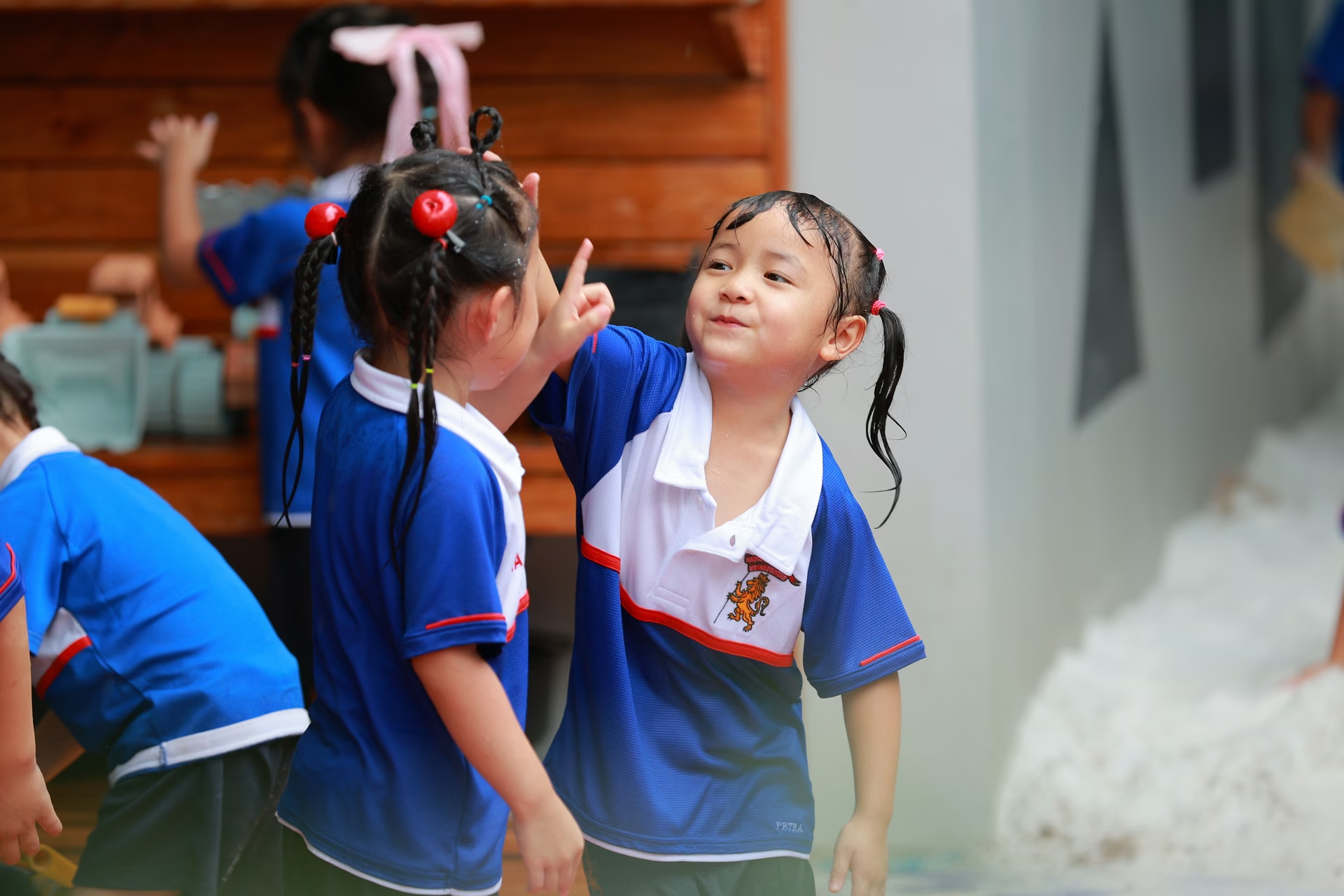
The British Education System in Thailand: A Parent’s Guide to King’s Bangkok
Choosing a school means looking beyond the name of its curriculum. Parents want to understand how the British education system in Thailand works at each age, how a school prepares children for the next stage, and how their education may support their plans.
At King’s College International School Bangkok (King’s Bangkok), students follow a British curriculum adapted to the school’s students and setting. The learning journey spans Early Years, Primary and Senior School, with each stage building on what students have learned before. Alongside academic development, the school places importance on helping students grow as confident, curious and thoughtful members of their community.
The British curriculum in international schools in Thailand: from Early Years to Senior School
The British curriculum is organised into stages that reflect children’s development as they grow. In the early years, learning focuses on building foundations through purposeful experiences and play. As students move through Primary and Senior School, they develop knowledge across a broader range of subjects and take increasing responsibility for their studies.
International schools may adapt the curriculum to meet the needs of their students and setting. The details below explain how the learning journey works at King’s Bangkok.
King’s Bangkok welcomes students aged 2 to 18. Here is how their learning journey develops from Early Years through to Senior School. Like other British curriculum schools in Thailand, we adapt the curriculum for our students, so the details below describe how it works in practice at King’s Bangkok.
Early Years
The programme follows the Early Years Foundation Stage (EYFS), where children learn through purposeful, play-based experiences. They begin to develop communication, early literacy and numeracy, creativity and independence. They also learn to share ideas, explore their surroundings and build relationships with others. These experiences lay the foundations for the more structured learning they will meet in Primary School.
Primary School
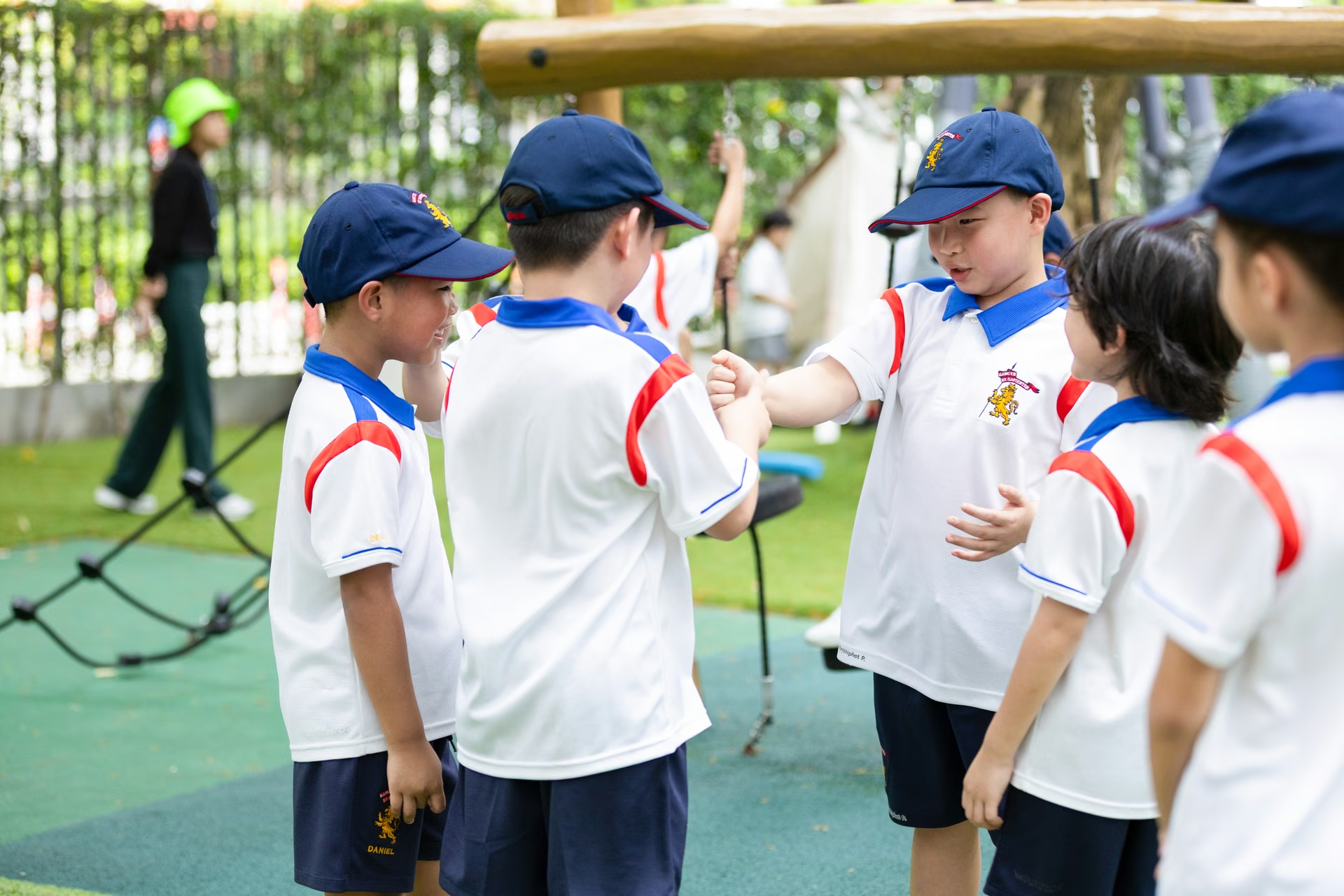
Students deepen their understanding and build knowledge across a broad curriculum. They are encouraged to ask questions, explore ideas and think about how they can use what they have learned.
Learning at this stage is about more than remembering information. Students practise explaining their thinking, solving problems and working with others. Our learner profile supports the skills and habits they use as learners and helps them take a more active role in their progress.
As they approach the end of Primary School, students begin preparing for the move to Senior School. Familiarity with independent learning, new challenges and greater responsibility helps them feel ready for the next stage.
Senior School
In Years 7 to 9, students build a broad foundation and prepare for the greater subject depth of examination courses. This stage gives them time to develop their learning habits before IGCSE study begins.
In Years 10 and 11, students study IGCSEs, with a set of core subjects and a choice of options. These courses let them explore subjects in greater depth and work towards qualifications recognised internationally. As they progress, students learn to manage longer-term work and prepare for formal examinations.
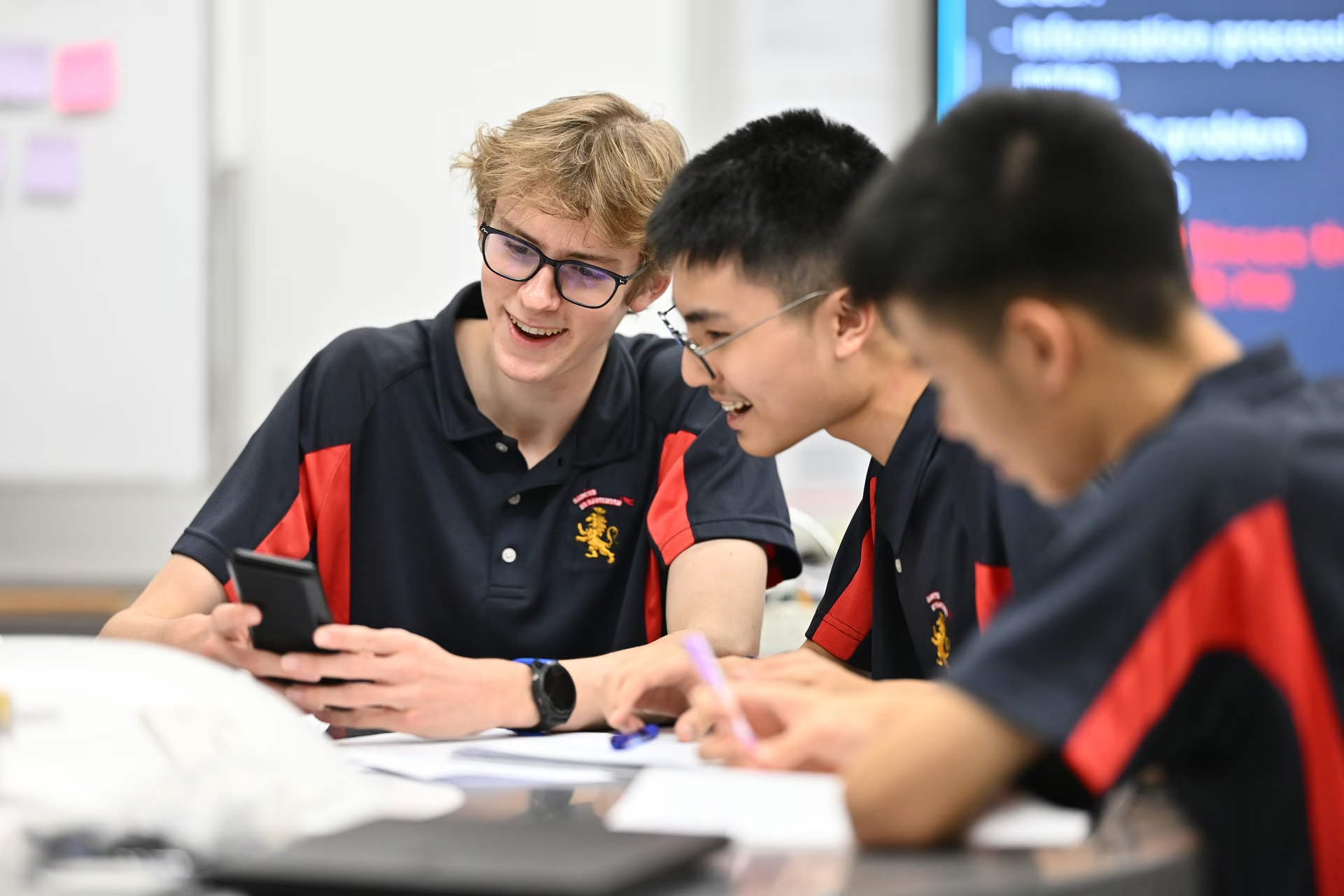
In Years 12 and 13, Sixth Form students study A level courses, focusing on a small number of subjects in depth. This stage allows them to choose subjects that reflect their strengths, interests and future plans. Alongside their A levels, students complete the King’s Essay, an independent research project that helps them practise researching a topic and presenting their ideas in an extended piece of academic writing.
Subject choices depend on each student’s interests, strengths and future plans. Families can speak with the school for current guidance on subject options and how they may relate to future study.
Assessment and Student Progress
Assessment is not only about final exams. Teachers track progress through classroom work, feedback and regular assessments, so they can see what students know and where they need support. As students approach IGCSEs and A levels, formal examinations become an important way to show subject knowledge.
When you visit any school, ask how it shares progress with families, supports students who need extra help and uses assessment to guide teaching.
Learning Beyond Examinations
Academic qualifications are one part of a student’s education. At King’s Bangkok, we also aim to nurture a great heart in every student, guided by our values of good manners, kindness and wisdom.
Through co-curricular activities in areas such as sport, music, drama, leadership and service, students can explore their interests, work with others and contribute to their community. Educational visits and residential experiences also help link learning to the real world. Together, these experiences help students develop confidence, resilience, communication and a sense of responsibility.
How to choose a British school in Bangkok
Every school applies its curriculum in its own way. When comparing British schools in Bangkok, it helps to ask how the learning journey works in practice, rather than relying on the curriculum name alone. Consider asking:
- How does learning change as students move from Early Years to Primary and Senior School?
- Who teaches each subject, and are there specialist teachers where it matters?
- How does the school help children develop confidence and independence as learners?
- How are students prepared for IGCSEs and A levels?
- How does the school support students’ wellbeing and keep families informed about their progress?
- What facilities and activities will your child use day to day?
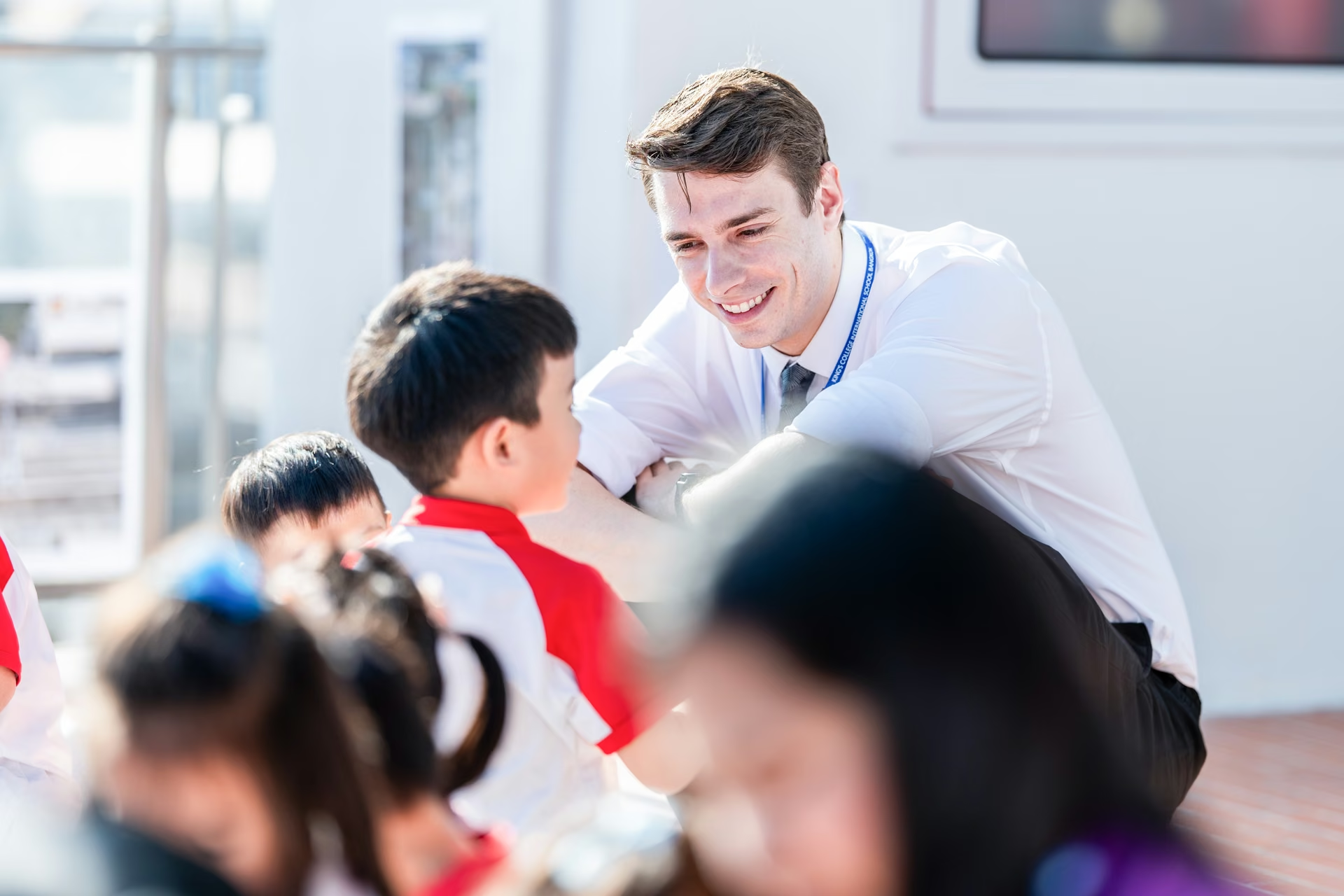
At King’s Bangkok, we work closely with King’s College School, Wimbledon (King’s Wimbledon), and our teachers bring subject expertise, particularly as students move into Senior School. Our campus offers science laboratories, design and technology studios, performance spaces, music facilities, sports facilities and a swimming pool to support learning inside and outside the classroom.
Visiting a school helps parents understand how its approach feels in practice. A campus visit also gives families the chance to speak with staff and learn more about the student experience.
Qualifications and Future Study
The British curriculum gives students a route to continue their studies almost anywhere. IGCSEs and A levels are recognised internationally, so students can apply to universities in the UK and around the world. Our university guidance supports students as they choose courses and universities where they will thrive, succeed and be happy.
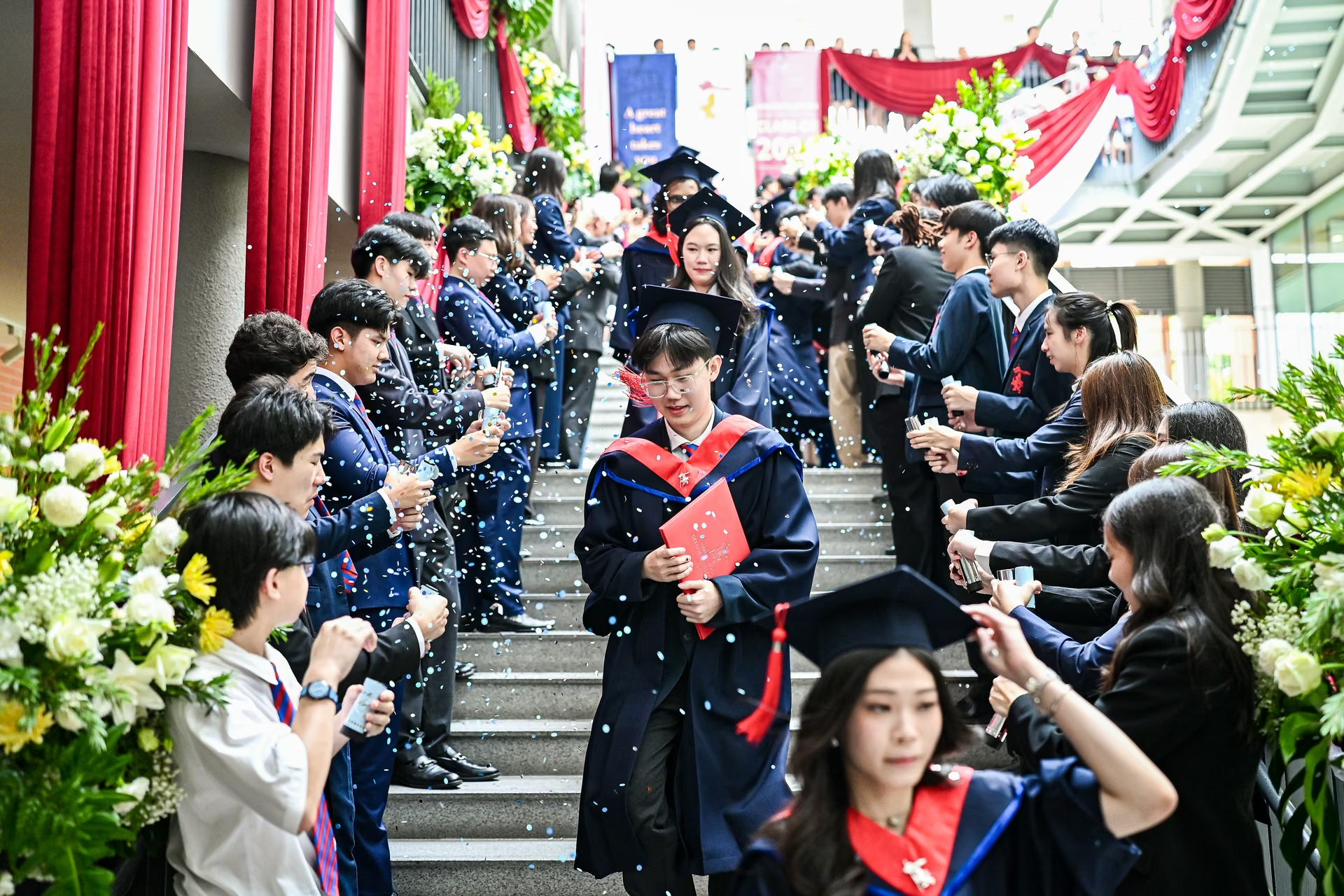
Explore the British Curriculum at King’s Bangkok
The curriculum at King’s Bangkok brings together a structured academic journey and opportunities for personal development, from Early Years through to Senior School. The school works closely with King’s Wimbledon, while adapting its curriculum to its students and setting.
To learn more about the learning journey or arrange a visit, contact King’s Bangkok Admissions Team.
related blog
Discover more stories, insights, and updates from our King’s College community.
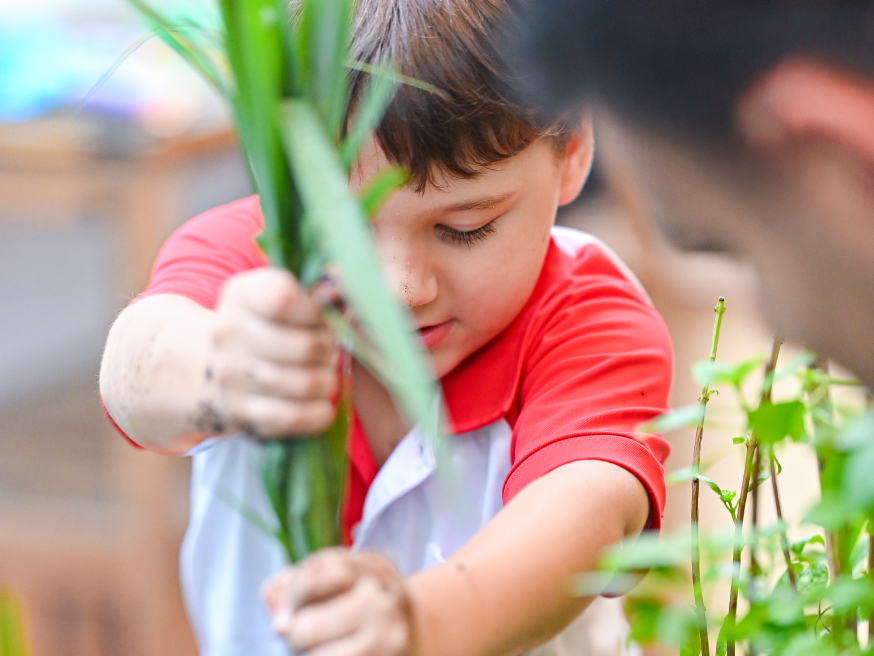
King’s Bangkok Early Years: “Creating a Community - How does your garden grow?”
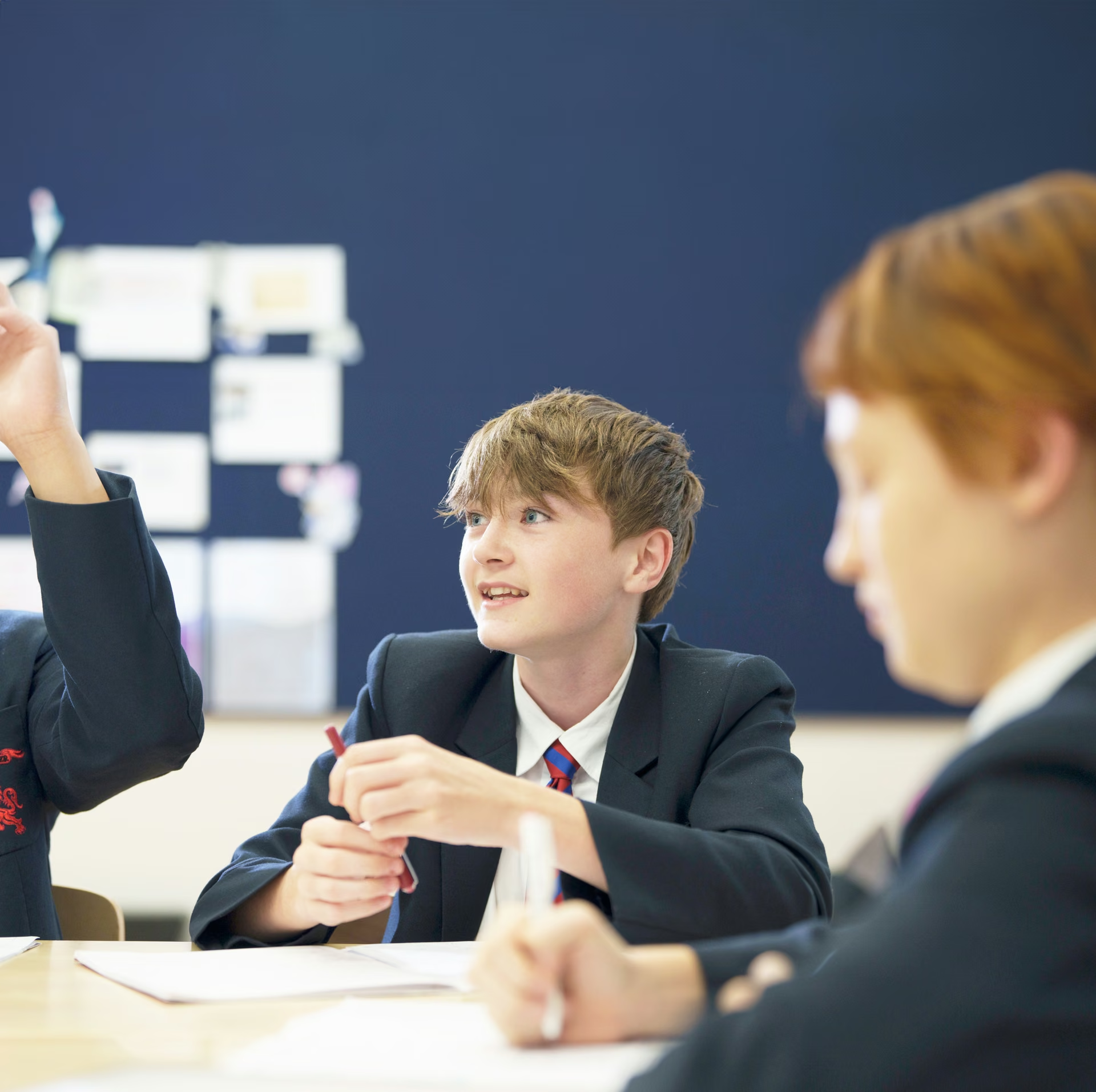
IGCSE Explained: What It Is and Why It Matters for Your Child
