Academic Excellence · Early Years
A Strong Start for Lifelong Learning
In our Early Years classrooms, learning starts with the learner. Our child-centred approach ensures that early academics are personalised, engaging, and developmentally aligned.
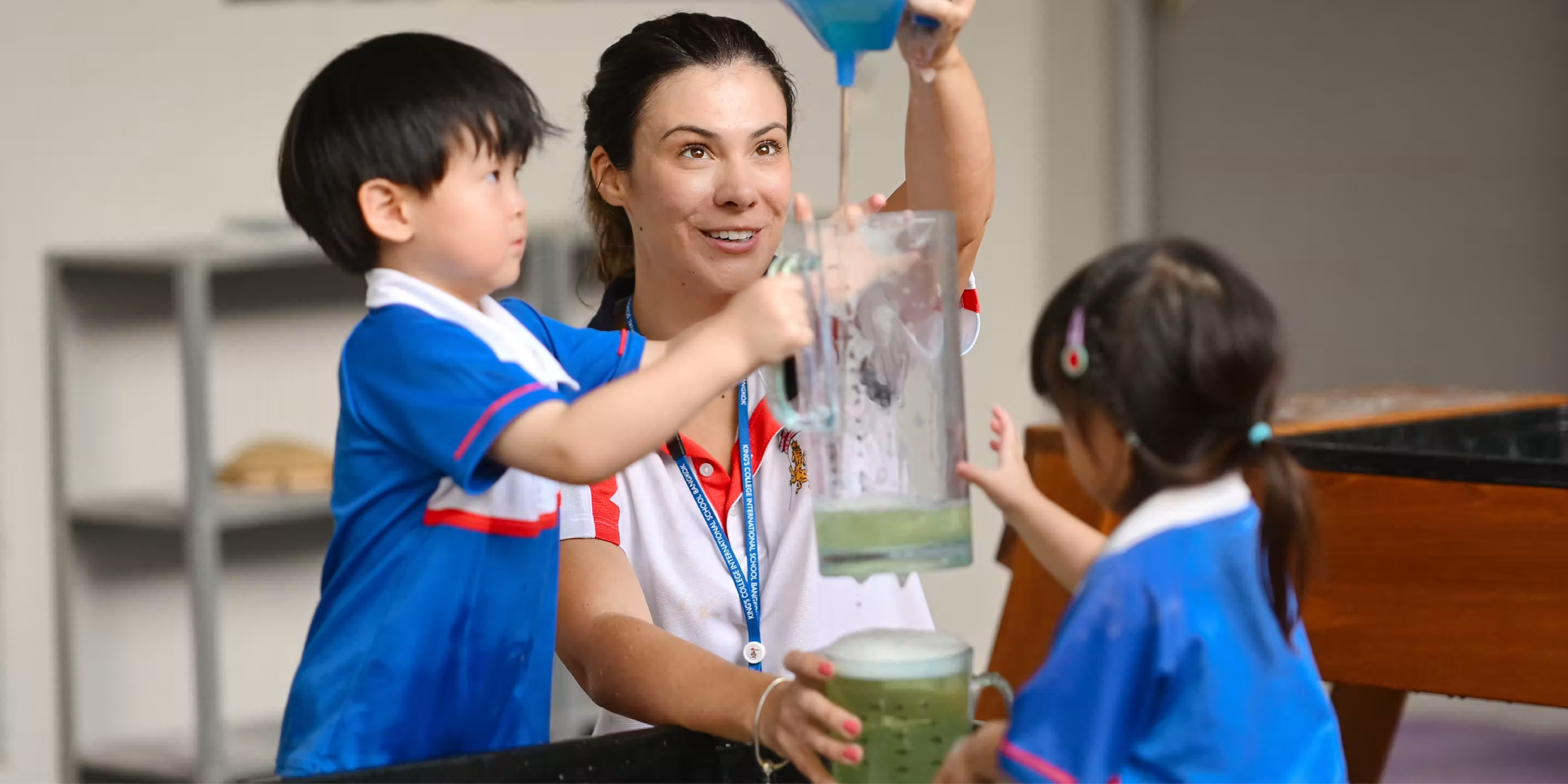
Child-Centred Learning Approach
Empowering students through personalized educational experiences.


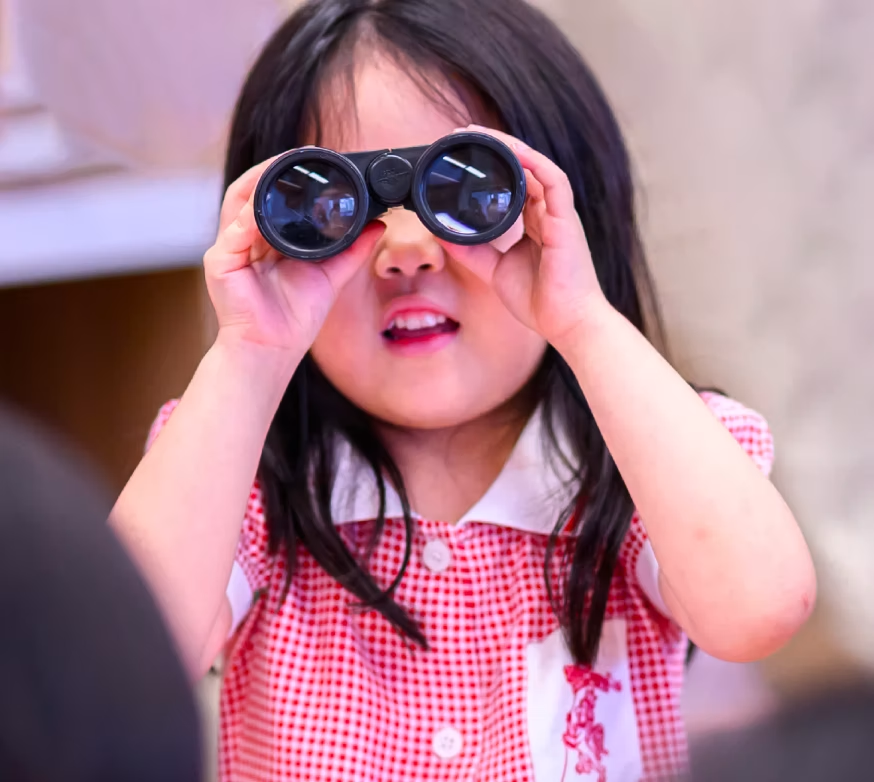
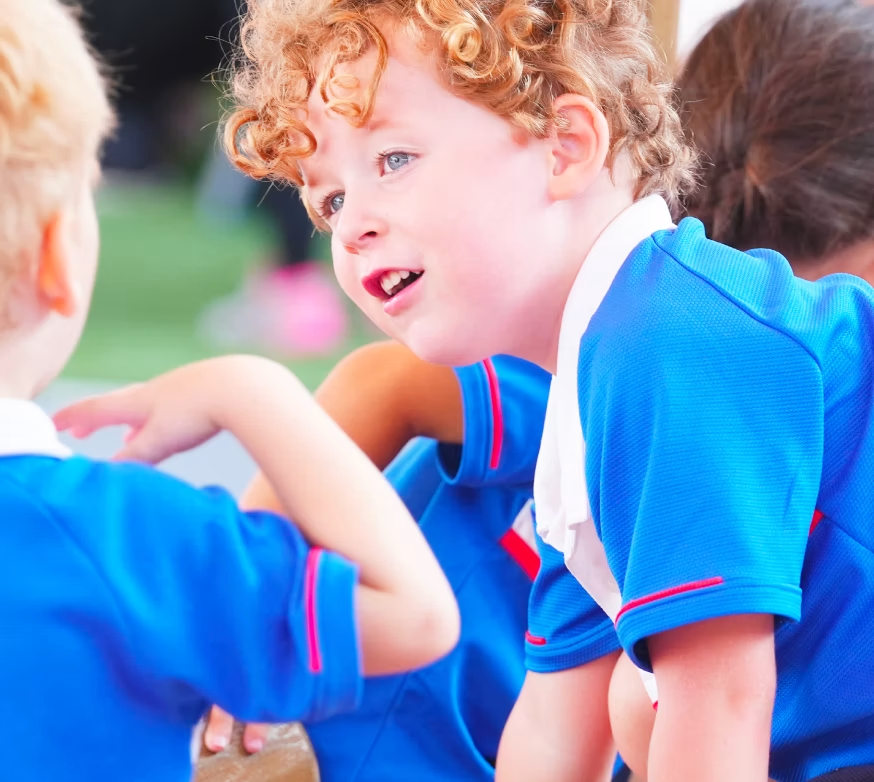
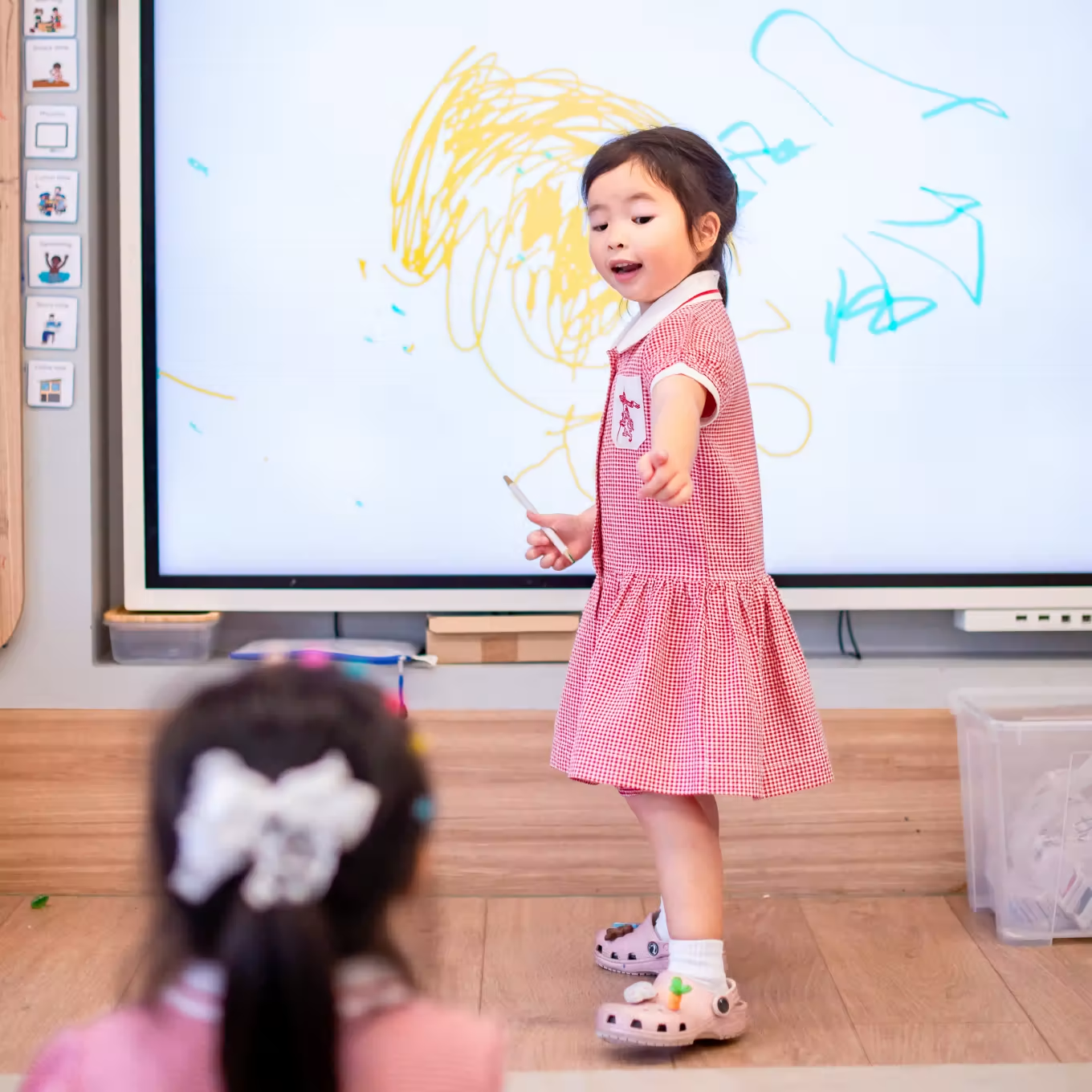
Nurturing Curious Young Minds Every Day
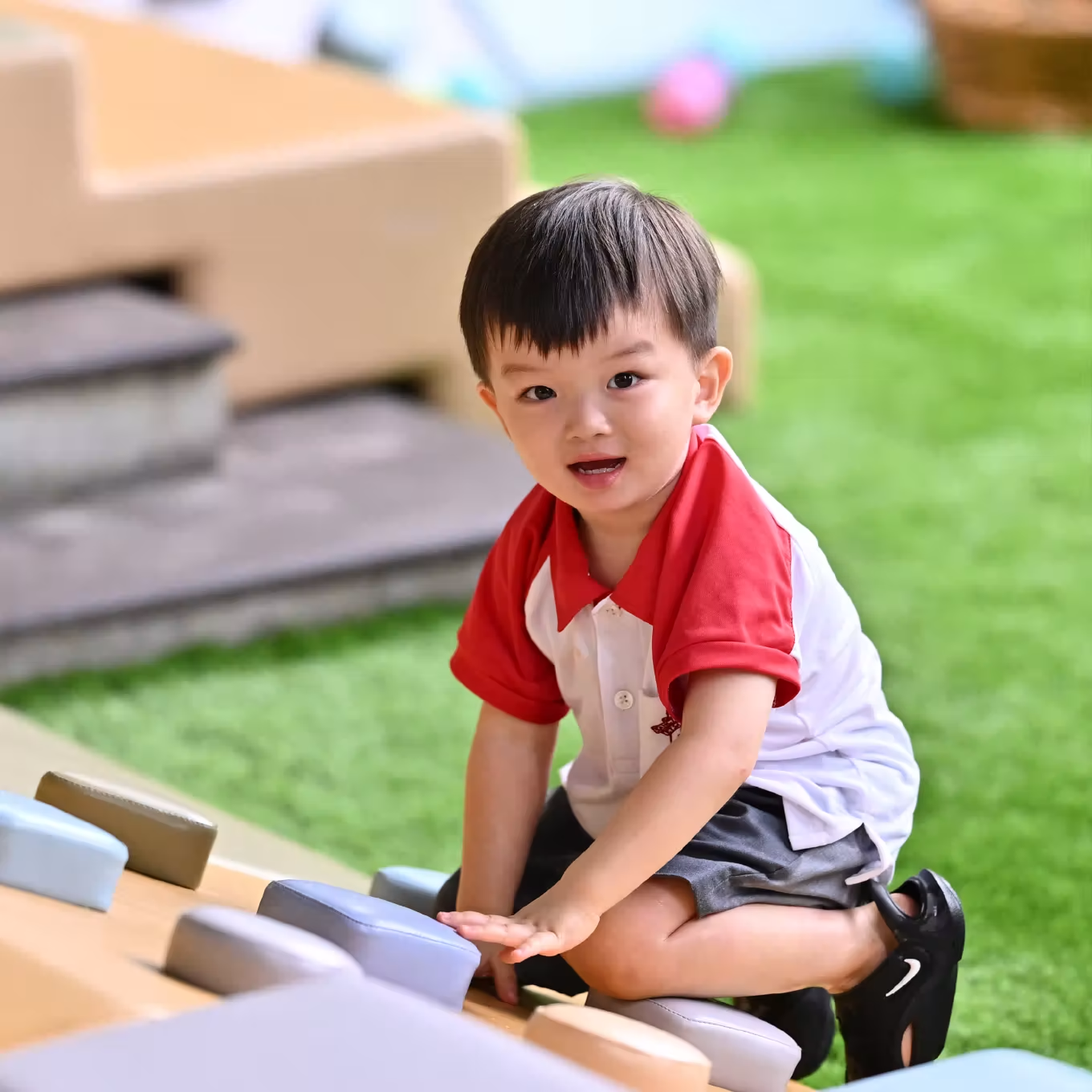
At the heart of all early years educators is a passion for nurturing curious young minds. Learning how to ask really good questions, for the joy of knowing and understanding. Across all areas of the Early Years Foundation Stage, children are at the centre of their learning. What makes the difference is the skilled adults that interact with them, minute to minute, hour to hour, challenging their thinking, guiding their learning and capturing their inspiration. These interests and passions are reflected in their learning environments, from cosy, collaborative classrooms to thoughtfully considered shared learning spaces.
Learning Through Everyday Moments
Integrated within the school day are opportunities for children to pursue their ideas, bringing to life a conversation started at the breakfast table, or building on a concept introduced by a friend. The role of our community in contributing to our children’s understanding of themselves and the world around them is essential to their development.
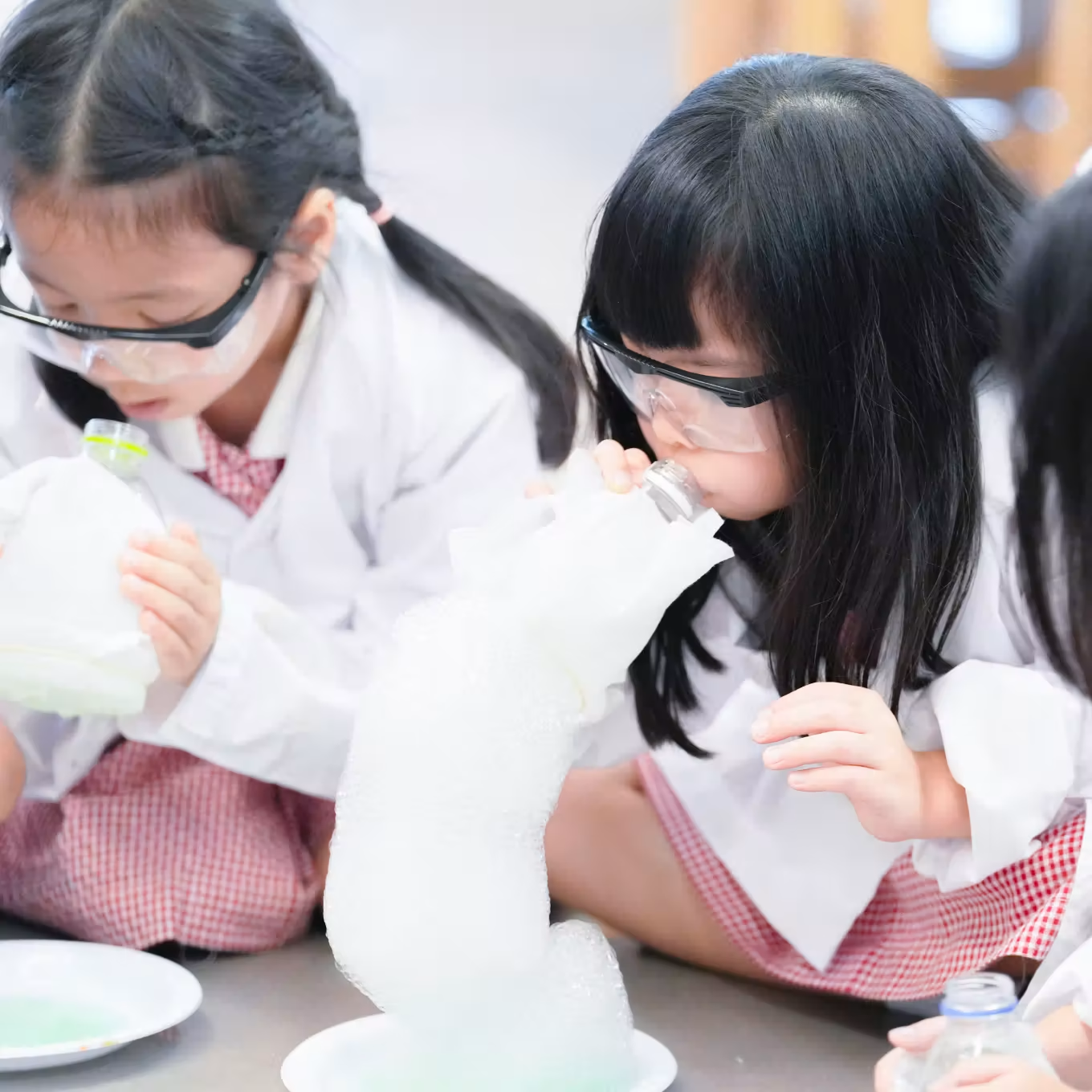
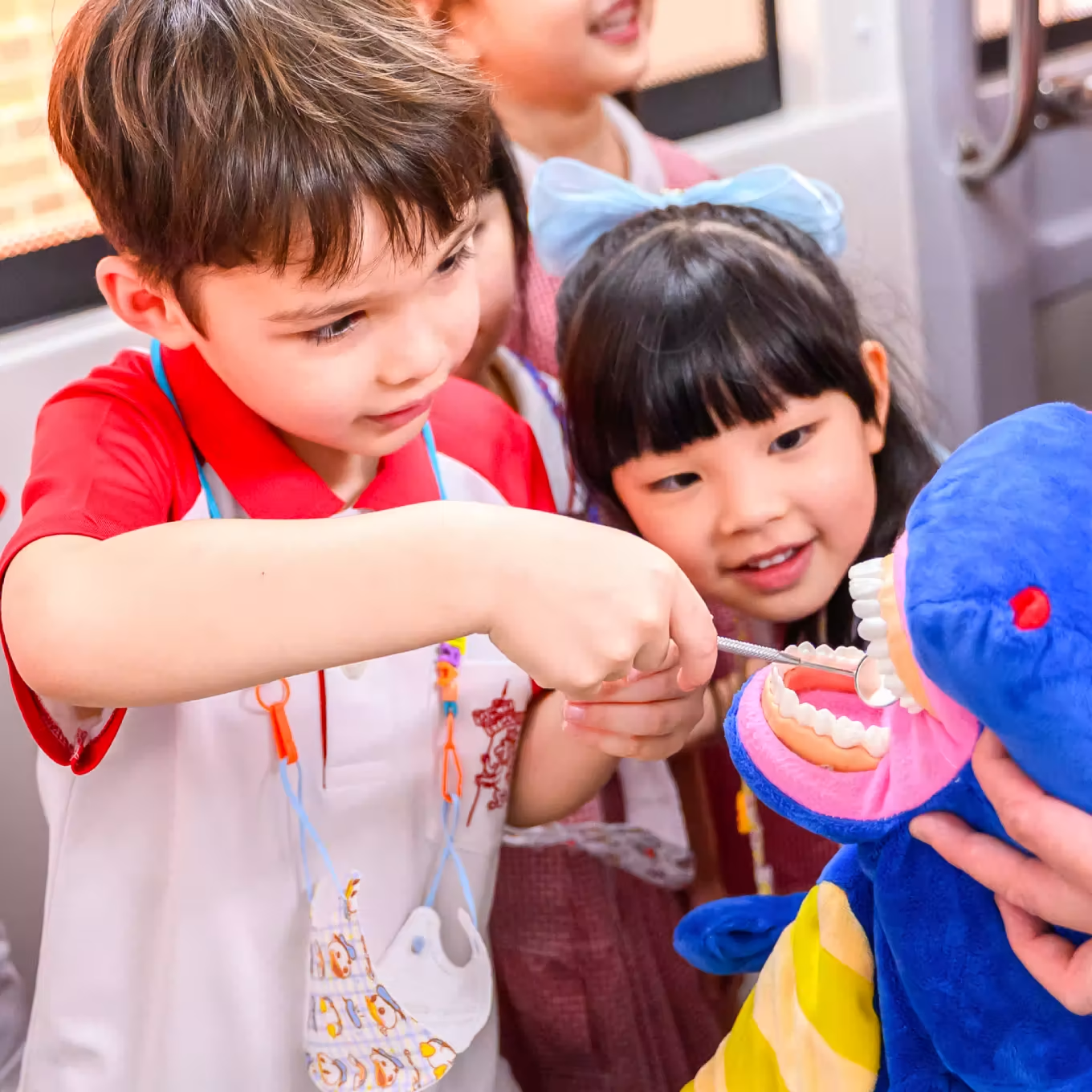
A Community that Celebrates Every Child
A sense of belonging and togetherness is the key to children’s success. During their journey through the Early Years, children are surrounded by those that care for them and nurture their aspirations. The opportunity for expression, sharing their creativity and receiving genuine interest from those around them drives their success.
Adventurousness, Curiosity and Growth
Adventurousness, curiosity, exploration and movement are all part of the expressive languages of children and it is essential to their wellbeing, growth and development that their environment nurtures these areas holistically. Our youngest learners are the acorns growing within the community garden in which they have been planted. With the help of those around them, they will flourish and thrive.
Kindness, Good Manners and Wisdom in Action
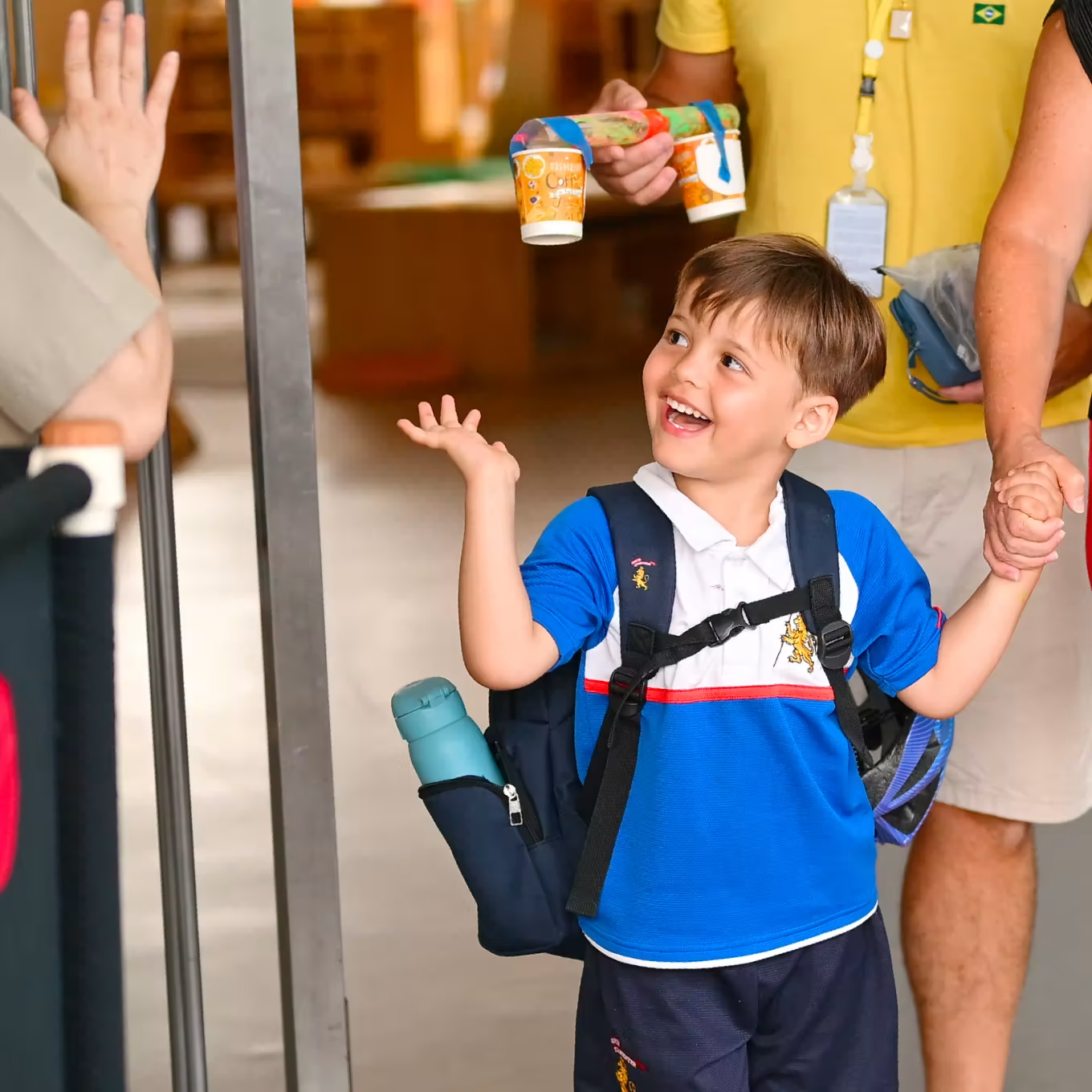
From the moment they step through the gate, children are greeted with kindness and respect by their community. The values of kindness, good manners and wisdom are woven throughout each child’s own personal learning journey here at King’s Early Years, supported by those who know them best. We believe that true growth is not measured by knowledge alone, but by the way children learn to value and respect those around them. Whether it’s opening a door, offering a smile, or showing gratitude to friends, teachers, and staff, every act of respect builds stronger relationships and a sense of belonging. The more children learn to bring value to others, the more reward and fulfilment they discover for themselves; lessons that will carry them far beyond their early years.
Schedule
A schedule designed to help students grow

Time | Details |
|---|---|
8:00 AM | Registration, with an opportunity for parents to speak to the Class Teacher whilst the children settle into their classroom, garden space and say "Good morning!" to their classmates and peers. |
Throughout the Morning | Learning time. A mixture of child-initiated and adult-directed play and activities, including specialist teaching in Music, Thai Studies, PE or Swimming. The majority of time will be spent within the classroom, Pre-nursery garden and shared area. A morning snack is provided during this time. |
11:00 AM | Lunch in the classroom |
11:40 AM | Storytime and a review of the day |
12:00 PM | Hometime, with an opportunity for parents to talk to their child's Class Teacher. |
Time | Details |
|---|---|
7:30 AM | Registration, with an opportunity for parents to speak to the Class Teacher whilst the children settle into their classroom, the adjoining garden and say |
Throughout the Morning | Learning time. A mixture of child-initiated and adult-directed play and activities, including specialist teaching in Music, Thai Studies, PE or Swimming. |
11:00 AM | Lunch in Early Years Dining Hall |
11:40 AM | Continued learning time, followed by storytime and a review of the day. |
12:20 PM | Hometime, with an opportunity for parents to talk to their child's Class Teacher. |
Time | Details | ||
|---|---|---|---|
7:30 AM | Registration, with an opportunity for parents to speak to the Class Teacher whilst the children settle into their classroom, the adjoining garden and say | ||
Throughout the Morning | Learning time. A mixture of child-initiated and adult-directed play and activities, including specialist teaching in Music, Thai Studies, PE or Swimming. | ||
11:00 AM | Lunch in the Early Years Dining Hall. | ||
11:40 AM | Continued learning time. | ||
12:00 PM | Storytime and a review | Nap time | Continued learning time |
12:20 PM | Hometime | ||
2:00 PM | Snacktime, storytime and a review of the day. | ||
2:20 PM | Hometime. Collection from classrooms with an opportunity for parents to talk to their child's Class Teacher. | ||
Time | Details |
|---|---|
7:30 AM | Registration, with an opportunity for parents to speak to the Class Teacher whilst the children settle into their classroom, the adjoining garden and say |
7:50 AM | Registration. Time for children to say "Good morning!" to their classmates and peers. |
Throughout the Morning | Learning time. A mixture of child-initiated and adult-directed play and activities. A morning snack is provided during this time. |
12:00 PM | Lunch in Early Years Dining Hall |
12:40 PM | Specialist learning time. A mixture of child-initiated and adult-directed play and activities, including specialist teaching in Music, Mandarin Studies, Thai Studies, PE or Swimming. |
2:00 PM | Snacktime, storytime and a review of the day. |
2:40 PM | Hometime. Collection from classrooms with an opportunity for parents to talk to their child's Class Teacher. Children attending ECAs will go and meet their |
A maximum of 2:50 PM - 3:30 PM | Optional ECAs run by teachers and extemal experts. We recommend Reception children can attend 2 ECAs a week |